

Mold Removal Cost in Mentor, OH
Mentor's proximity to Lake Erie and year-round humidity create conditions where moisture accumulates in basements, crawl spaces, and wall cavities, making mold removal cost a key concern for homeowners evaluating the scope of work ahead. Mold removal cost depends on how much area is affected, which materials must be removed or treated—drywall, insulation, carpeting, or HVAC components—and whether containment, air scrubbing, or post-remediation clearance testing will be part of the remediation plan, along with any structural rebuild required once the mold itself is addressed. The sooner you arrange an inspection, the smaller the affected area is likely to remain, which directly affects the cost and complexity of removal.

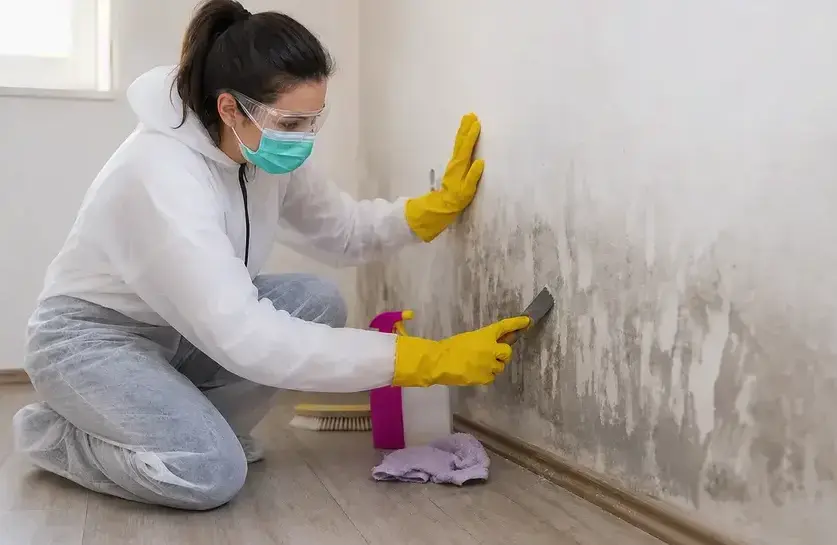
Understanding Mold Removal Cost in Mentor, OH
Property owners in Mentor face a genuine moisture challenge year-round. The region's proximity to Lake Erie, combined with consistently high humidity and seasonal rainfall patterns, creates conditions where indoor moisture accumulates easily—especially in basements and crawl spaces common to many homes here. When mold takes hold, understanding what mold removal will cost becomes urgent. That cost depends entirely on what the independent local provider finds during inspection: how much area is affected, which building materials are involved, and what containment or specialized equipment the scope of work requires. Before committing to remediation, property owners want to know what drives that final cost so they can make an informed decision.
Coburn Mold Remediation connects Mentor property owners with independent local mold inspection and remediation providers who inspect the affected area first, explain exactly what needs to happen, and then discuss the cost of mold removal based on that specific scope. There is no guesswork, no estimate sight-unseen. The provider will walk through the factors that shape the work—affected square footage, materials involved, containment needs, testing, and any structural rebuild after mold removal is complete—so you understand why the cost is what it is. Starting that conversation early, before mold spreads further, typically keeps the scope of work smaller and the removal cost proportional to the actual problem.
Understanding Mold Removal Cost in Mentor
How Square Footage Affects Cost
The larger the mold-affected area, the more labor, materials, and containment effort the independent provider must undertake. A small bathroom corner requires different scope than finished basement walls or attic framing. Scope drives cost directly.
Materials Removed Shape Your Total
Drywall, insulation, carpet, wood framing, and HVAC components each require different removal and disposal methods. Some materials can be cleaned; others must be replaced entirely. The mix of affected materials determines the work's complexity and cost.
Containment and Air Quality Work
Preventing mold spores from spreading during removal often requires temporary barriers, negative air pressure equipment, and HEPA filtration. Post-remediation clearance testing confirms air quality. Whether these steps are necessary depends on the infestation's size and location.
Mentor's Moisture Environment Drives Risk
The region's high humidity and year-round moisture create conditions where mold can take hold quickly in basements and crawl spaces—common in older Mentor homes. Acting fast after discovery limits how far mold spreads, keeping the scope and cost of removal smaller.
How Your Mold Removal Cost Is Estimated in Mentor, OH
Request an On-Site Estimate
Contact a local mold removal provider through Coburn to schedule an inspection of your Mentor property. The provider will assess affected areas, identify moisture sources, and measure the scope of mold removal work needed—all key factors that determine what the removal will cost.
Receive a Detailed Removal Cost Breakdown
The provider inspects how much square footage is affected, which materials require removal or treatment (drywall, carpet, insulation, HVAC components), and whether containment equipment, air scrubbing, or post-remediation clearance testing is necessary. Acting quickly typically limits the affected area, which directly reduces the scope and cost of removal work.
Review the Estimate Before Work Begins
You receive an itemized estimate showing what mold removal work is required, what drives each part of the cost, and whether structural rebuild is needed after mold removal. You decide whether to approve the scope of work—no removal begins until you agree to the estimate.
Wondering about Mold Removal Cost in Mentor? Get an on-site estimate from a local provider.
Call Now — (440) 664-3223What Drives Mold Removal Cost in Mentor
The cost of mold removal in Mentor depends entirely on how much of your property is affected and what materials the mold has colonized. A small area of surface mold on drywall costs far less to remediate than mold that has penetrated insulation, spread across multiple wall cavities, or invaded HVAC ductwork. The square footage involved—whether it's 50 square feet in a bathroom or 500 square feet across a basement—is the primary factor shaping the scope of work and therefore the final cost. Mold removal also requires proper containment during the process to prevent spores from spreading to unaffected areas; larger infestations require more sophisticated containment barriers and air-filtration equipment, which increases the resources needed.
Mentor's climate—marked by high humidity and proximity to Lake Erie—creates year-round moisture challenges that make basements and crawl spaces particularly vulnerable to mold growth. Older homes throughout the area often have more hidden cavities and complex framing that can harbor mold beyond what's immediately visible, expanding the remediation scope once inspection reveals the full extent. After mold removal, the affected materials may require replacement—drywall, flooring, insulation, or structural components—and post-remediation clearance testing may be recommended to confirm safe indoor air quality. Acting quickly when you first notice mold usually keeps the affected area smaller and the work scope more contained, which directly affects the total cost an independent local provider will quote after a thorough inspection.
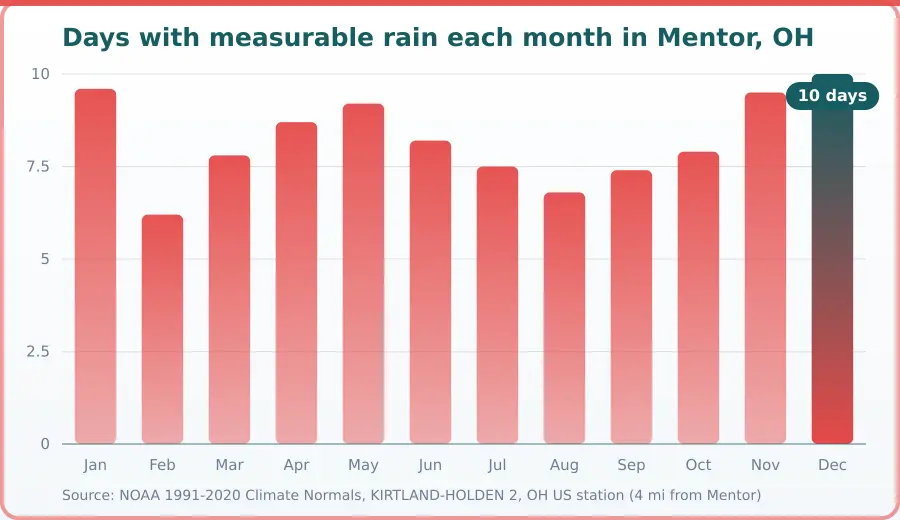
| Period | Days with measurable rain by month (days) |
|---|---|
| Jan | 9.6 |
| Feb | 6.2 |
| Mar | 7.8 |
| Apr | 8.7 |
| May | 9.2 |
| Jun | 8.2 |
| Jul | 7.5 |
| Aug | 6.8 |
| Sep | 7.4 |
| Oct | 7.9 |
| Nov | 9.5 |
| Dec | 10 |
Source: NOAA 1991-2020 Climate Normals, KIRTLAND-HOLDEN 2, OH US station (4 mi from Mentor). Retrieved October 5, 2026.
Seasonal Moisture Patterns and Mold Removal Cost Drivers
Spring: Thaw and Water Intrusion
Melting snow and spring rainfall increase basement and foundation seepage across the region. Properties with older basements or crawl spaces often face concentrated moisture accumulation, expanding the affected area and materials requiring removal, which directly increases the scope of work and removal cost.
Summer: Heat and Humidity
Extended warm weather combined with high ambient moisture—typical of areas near Lake Erie—creates sustained conditions for mold growth if indoor humidity and ventilation are not controlled. Larger affected areas discovered mid-summer often require more extensive containment, air scrubbing, and material replacement than smaller, early-stage findings.
Fall: Condensation and Cooling Transitions
As outdoor temperatures drop, temperature swings between walls and indoor spaces trigger condensation in attics, HVAC ducts, and enclosed spaces. If mold has colonized insulation or ductwork, remediation must address those materials, potentially adding significant cost compared to surface-only removal.
Winter: Frozen Ground and Reduced Detection
Frozen ground can trap moisture against foundations, and reduced air circulation during heating season may delay discovery of mold growth in hidden areas. Delayed identification often means larger affected zones when remediation finally begins, increasing the cost relative to prompt intervention earlier in the year.
Related Services
Mold Removal Cost FAQs — Mentor, OH
The size and location of affected areas drive cost most significantly. Mold in a small bathroom corner costs far less than contamination across basement walls or crawl spaces. The materials involved—drywall, insulation, subflooring—and whether containment barriers are needed also influence pricing. Rebuild work after removal adds to the total. A local provider's on-site inspection determines the exact scope and cost.
Yes. Early detection typically means smaller affected areas and less structural damage, which keeps remediation costs lower. Delays allow mold to spread deeper into walls, insulation, and wood, requiring more extensive removal and repair work. The sooner you contact a local provider for an inspection, the sooner you can prevent costlier damage.
A local mold removal provider inspects your property in person, identifies affected materials and square footage, assesses containment and rebuild needs, and then provides a detailed estimate. The inspection is the foundation for accurate pricing—no two mold situations are identical. Once you have the estimate, you can decide how to proceed with removal.
Insurance coverage for mold removal depends entirely on your specific policy and the cause of the mold. Some policies cover sudden, accidental water damage that leads to mold; others exclude mold altogether. Contact your insurer directly to understand your coverage. A local provider can also discuss this with you during the estimate process.
Coburn Mold Remediation connects Mentor property owners with local independent providers for prompt on-site estimates. Once you reach out, the process moves quickly—a local provider can typically schedule an inspection soon after. Fast connection means you get answers about scope and cost without unnecessary delays.
Yes. Mentor's proximity to Lake Erie and year-round humidity create an environment where moisture and trapped condensation are persistent concerns, especially in basements and crawl spaces common to many older area homes. These conditions often mean mold develops more extensively before discovery, potentially increasing the scope and cost of removal. A thorough inspection accounts for these regional moisture patterns.
Homeowner Safety Toolkit
Verify Your Mentor, OH Mold Remediation Company
Before you hire anyone, use these independent national resources to confirm credentials, standards, and track record.
ACAC
An independently accredited certifying body for mold inspectors and consultants — one of the few in this field whose standards are verified by an outside accreditation board, not just self-declared.
Find a Certified InspectorEPA
The federal government's own guidance on identifying, cleaning up, and preventing mold growth in a home.
Mold Prevention GuideIICRC
Publishes the S520 standard for professional mold remediation. Confirm a company's technicians hold real, current IICRC certification before you hire them.
Verify CertificationQuestions about Mold Removal Cost in Mentor, OH? Call (440) 664-3223 to arrange a local on-site estimate.
Call Now — (440) 664-3223Areas We Serve in Mentor, Ohio
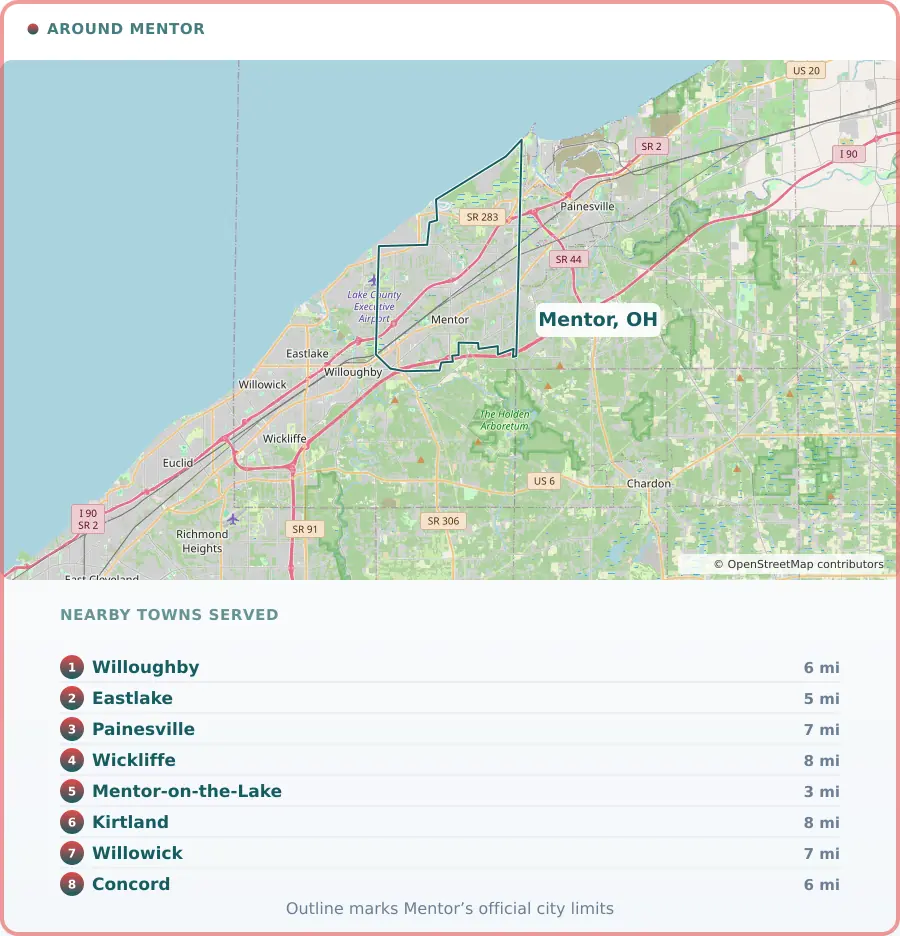
Coverage centres on Mentor, OH and reaches 8 surrounding communities. Response time is what matters most in the hours after a problem is found, so knowing the ground is part of the job.
Mentor, OH Information
Set along the shoreline of Lake Erie in Lake County, Mentor, Ohio blends small-city warmth with real economic muscle. Roughly 47,300 residents call it home, and the local economy runs on a sturdy mix of manufacturing, healthcare, and retail, bolstered by corporate presences like STERIS and Avery Dennison. Great Lakes Mall anchors much of the shopping and job activity, while nearby Cleveland feeds a steady flow of logistics work, professional services, and small businesses into the area.
Neighborhoods such as Mentor Headlands and Heritage Green reflect the city's easy, lakeside character, where families, schools, and longtime employers like Lake Health and the City of Mentor help keep daily life feeling connected and well-rooted in this corner of northeast Ohio.
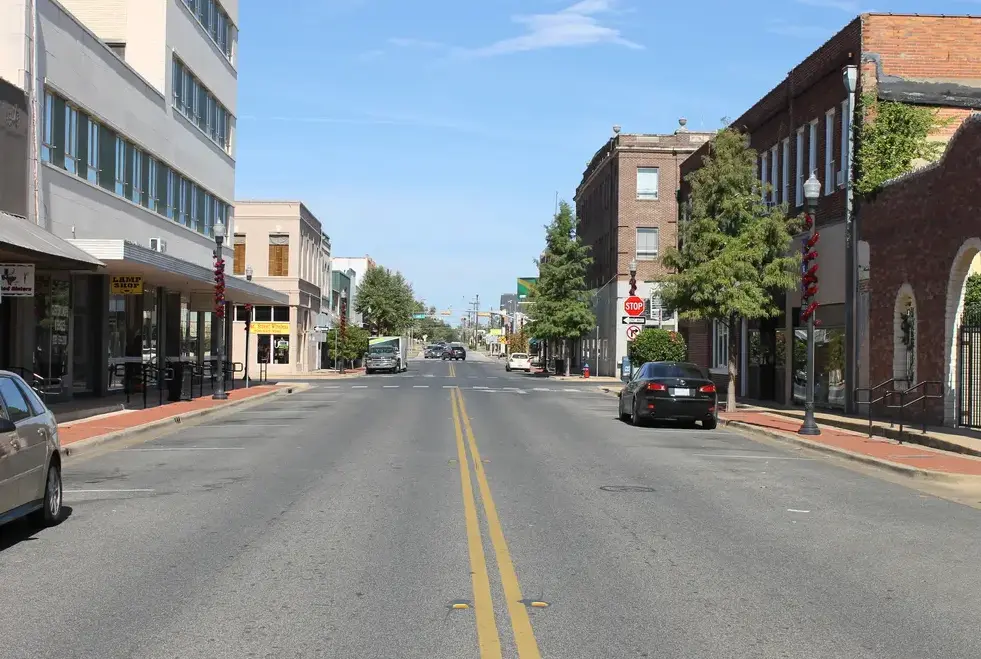
Photo: Billy Hathorn, CC BY-SA 3.0